Introduction
Access to safe sanitation is more than having a toilet. It is about protecting human health, preserving dignity, promoting equality and creating opportunities for everyone.
For millions of women and girls around the world, the lack of clean and secure toilets, proper handwashing facilities and menstrual hygiene resources remains a significant challenge. These conditions can affect their health, personal safety, confidence and ability to participate fully in education and society.
According to the United Nations, approximately 3.4 billion people worldwide still lack access to safely managed sanitation. However, the consequences are not experienced equally. Women and girls often face additional challenges because of their specific sanitation, privacy and menstrual health needs.
As the world prepares to observe World Toilet Day on November 19, 2026, under the theme “Safe Toilets. Equal Futures.”, it is important to understand why sanitation is essential for building healthier and more inclusive communities.
Here are seven important reasons why safe sanitation matters for women, girls and education.
1. Safe Sanitation Protects Women’s and Girls’ Health
One of the most important benefits of proper sanitation is disease prevention.
When people lack access to safe toilets and proper waste disposal systems, they are exposed to harmful bacteria, viruses and other disease-causing organisms.
Poor sanitation can contribute to the spread of diarrhoeal diseases, intestinal infections and other preventable health problems.
Women and girls living in communities with inadequate sanitation facilities may face additional difficulties maintaining personal hygiene, particularly during menstruation.
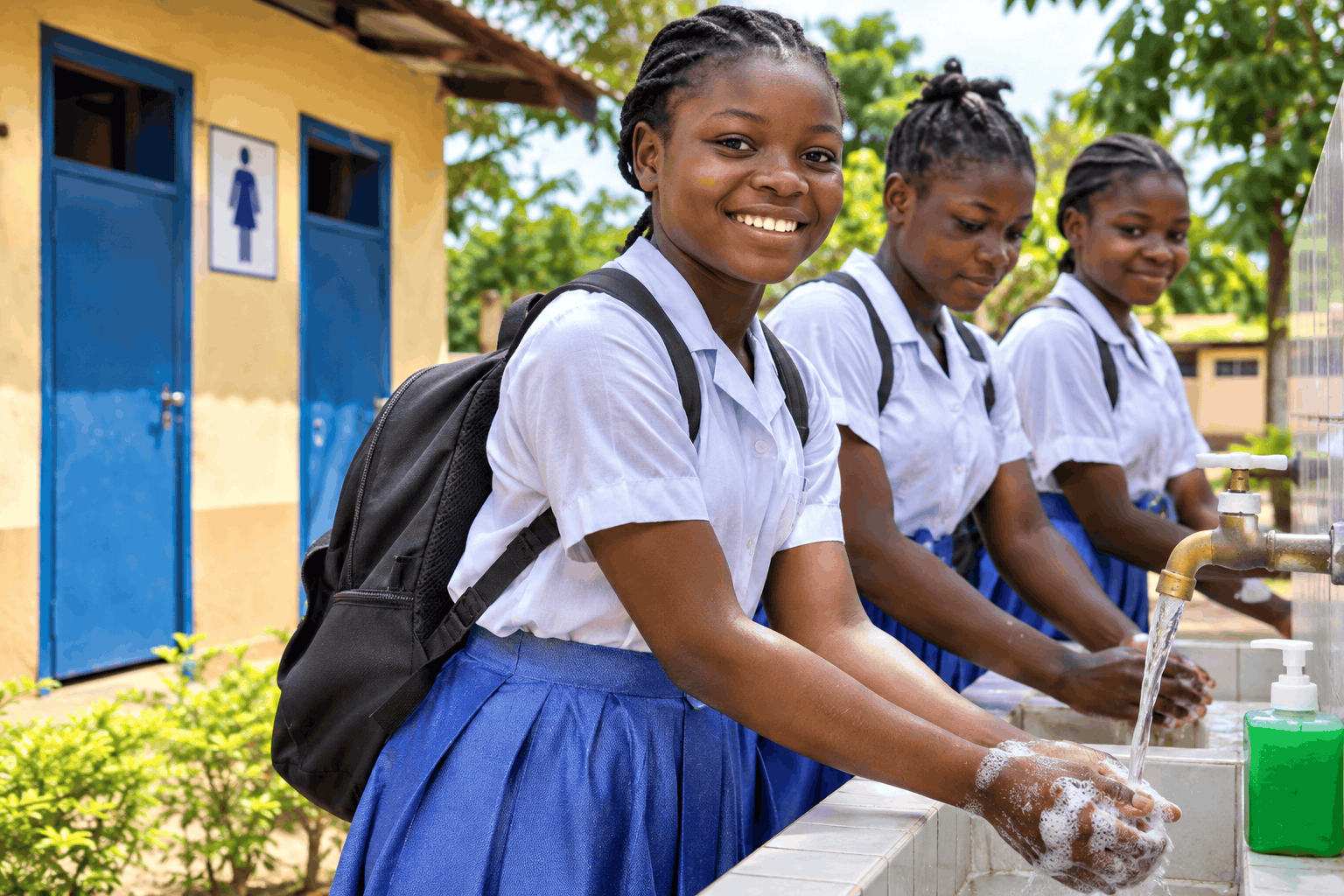
Providing clean toilets, reliable water supplies and proper handwashing facilities helps reduce exposure to preventable health risks.
What communities can do:
- Improve access to clean and functional toilets.
- Promote regular handwashing with soap and water.
- Encourage proper waste disposal.
- Organize community hygiene education programmes.
- Improve access to clean and reliable water sources.
Good sanitation is an essential foundation for healthier families and communities.
2. Safe Toilets Help Protect Women and Girls from Safety Risks
Access to a safe toilet is also a matter of personal security.
In communities without proper sanitation facilities, some women and girls are forced to use isolated areas or facilities that lack adequate privacy, lighting and security.
These situations can expose them to harassment, violence and other safety risks.
The problem is particularly concerning when people have to travel long distances to access sanitation facilities or use unsafe locations after dark.
Safe, accessible and well-maintained toilets can help reduce these risks and provide women and girls with greater confidence and independence.
What communities can do:
- Provide toilets in safe and accessible locations.
- Ensure sanitation facilities have adequate lighting and privacy.
- Maintain separate facilities where appropriate.
- Consider the needs of children, older people and persons with disabilities.
- Involve women and girls in decisions about sanitation infrastructure.
Everyone deserves to access sanitation facilities without fear.
3. Proper Sanitation Preserves Dignity and Privacy
Everyone deserves to manage their personal hygiene in a clean, private and respectful environment.
Unfortunately, inadequate sanitation facilities can make this difficult, particularly for women and adolescent girls.
Using overcrowded, dirty or poorly maintained toilets can create discomfort, embarrassment and anxiety.
For girls experiencing menstruation, the absence of private changing spaces, clean water and appropriate disposal facilities can make an already natural biological process unnecessarily stressful.
Sanitation should never be a source of shame or humiliation.
Communities must recognize that dignity and privacy are essential parts of providing adequate sanitation services.
What communities can do:
- Provide clean and private toilet facilities.
- Ensure access to water and soap.
- Provide appropriate menstrual waste disposal facilities.
- Maintain sanitation facilities regularly.
- Promote respectful conversations about personal hygiene and menstruation.
Protecting dignity begins with providing facilities that respect everyone’s needs.
4. Access to Safe Sanitation Supports Girls’ Education
Education is one of the most powerful tools for reducing poverty and creating opportunities. However, inadequate sanitation facilities can make the school environment uncomfortable and challenging for girls.
Imagine attending school without access to a clean toilet, running water or a private place to manage your menstrual hygiene.
For many schoolgirls, this is a reality.
A 2024 WHO and UNICEF report revealed that:
- Only 39% of schools worldwide provide menstrual health education.
- Only 31% of schools globally have bins for menstrual waste in girls’ toilets.
- In sub-Saharan Africa, only 11% of schools have bins for menstrual waste in girls’ toilets.
These figures highlight important gaps in the facilities and support available to schoolgirls.
When schools lack appropriate sanitation facilities, girls may struggle to manage their menstrual hygiene comfortably, participate confidently in school activities or maintain consistent attendance.
Creating supportive learning environments therefore requires more than classrooms and textbooks. Schools must also provide clean toilets, reliable water supplies and appropriate hygiene facilities.
What schools and communities can do:
- Build and maintain clean school toilets.
- Provide separate and private sanitation facilities.
- Ensure access to menstrual hygiene products.
- Introduce age-appropriate menstrual health education.
- Encourage open conversations that reduce stigma and misinformation.
Every girl deserves an environment where she can learn, participate and pursue her ambitions with confidence.
5. Menstrual Hygiene Education Promotes Confidence and Equality
Menstruation is a natural part of life, yet misinformation, cultural stigma and limited access to menstrual hygiene products continue to affect many girls and women.
Without adequate information and resources, managing menstruation can become a difficult experience.
Some girls may feel embarrassed to discuss their menstrual health, while others may lack access to affordable sanitary products, clean water or private facilities.
Menstrual health education helps young girls understand their bodies, manage their periods safely and recognize when they may need medical support.
It is equally important to involve boys, parents, teachers and community leaders in these conversations.
What communities can do:
- Organize menstrual health awareness programmes.
- Provide accurate and age-appropriate health information.
- Improve access to affordable menstrual hygiene products.
- Challenge harmful myths and misconceptions.
- Encourage supportive environments at home and in schools.
Menstrual health education is not simply about personal hygiene. It is about empowering girls with knowledge, confidence and the freedom to participate fully in society.
6. Safe Sanitation Promotes Gender Equality and Economic Opportunities
Sanitation is closely connected to gender equality.
When women and girls lack access to safe toilets and clean water, they may face additional responsibilities, safety concerns and barriers that affect their daily activities.
In some communities, women and girls spend considerable time finding water or managing household sanitation challenges.
This time could otherwise be invested in education, employment, entrepreneurship and other productive activities.
Safe sanitation facilities in workplaces, markets, healthcare centres and public spaces also help women participate more comfortably in economic and social activities.
Women should not have to choose between their personal safety, dignity and opportunities.
What communities can do:
- Improve access to sanitation in public spaces and workplaces.
- Include women in sanitation planning and decision-making.
- Promote equal access to water and hygiene services.
- Support women-led community development initiatives.
- Encourage policies that address the sanitation needs of vulnerable groups.
When women have access to essential services, they are better positioned to pursue opportunities and contribute to community development.
7. Better Sanitation Builds Healthier and More Sustainable Communities
The benefits of proper sanitation extend beyond individuals.
Communities with reliable sanitation systems are better positioned to protect public health, reduce environmental contamination and improve living conditions.
Unsafe disposal of human waste can contaminate water sources, pollute the environment and increase the risk of disease transmission.
Sustainable sanitation requires proper infrastructure, responsible waste management and continuous community participation.
It also requires long-term planning to ensure that facilities remain functional, accessible and safe.
Governments, development organizations, schools, healthcare institutions and local communities all have important roles to play.
What communities can do:
- Support sustainable sanitation infrastructure.
- Promote responsible waste management.
- Protect water sources from contamination.
- Organize environmental and hygiene awareness campaigns.
- Encourage partnerships between local authorities and development organizations.
A healthier community begins with access to essential services and a shared commitment to protecting the well-being of everyone.
What Role Can We All Play?
Improving sanitation is not the responsibility of governments alone. Individuals, families, schools, organizations and community leaders all have a role to play.
Here are some practical ways to contribute:
- Educate: Share reliable information about hygiene, sanitation and menstrual health.
- Participate: Support community sanitation and environmental awareness initiatives.
- Advocate: Encourage investment in clean and accessible sanitation facilities.
- Empower: Ensure women and girls participate in decisions affecting their health and well-being.
- Collaborate: Build partnerships that support sustainable community development.
Small actions, when combined with collective commitment, can contribute to meaningful change.
Conclusion: Safe Toilets Mean Equal Futures
Safe sanitation is not a luxury. It is a fundamental requirement for protecting health, preserving dignity and creating equal opportunities.
From reducing preventable diseases to supporting girls’ education and promoting women’s participation in society, proper sanitation plays an important role in building stronger communities.
As we observe World Toilet Day on November 19, 2026, let us remember that providing safe toilets is not simply about constructing facilities. It is about creating environments where women and girls can live, learn, work and participate in society without unnecessary barriers.
At Health & Education 4 All International, we believe that healthier communities begin with access to essential knowledge, opportunities and resources.
Together, through education, awareness, collaboration and community action, we can contribute to a future where everyone has access to safe sanitation and the opportunity to live with dignity.
Safe Toilets. Equal Futures. Healthier Communities.
Take Action Today
Be part of the movement for healthier and more inclusive communities.
Share this article, promote sanitation awareness and support initiatives that improve access to health and education for everyone.
Visit Health & Education 4 All International to learn more about our mission and community development efforts.
Website: https://its4allint.org/
References and Further Reading
- United Nations – World Toilet Day 2026: https://www.un.org/en/observances/toilet-day/
- UN-Water – World Toilet Day: https://www.unwater.org/our-work/world-toilet-day
- WHO – Global Report Reveals Major Gaps in Menstrual Health and Hygiene in Schools: https://www.who.int/news/item/28-05-2024-global-report-reveals-major-gaps-in-menstrual-health-and-hygiene-in-schools
- UNICEF – Progress on Drinking Water, Sanitation and Hygiene in Schools: https://data.unicef.org/resources/jmp-wash-in-schools-2024/
Disclaimer: This article is intended for general educational and public awareness purposes.