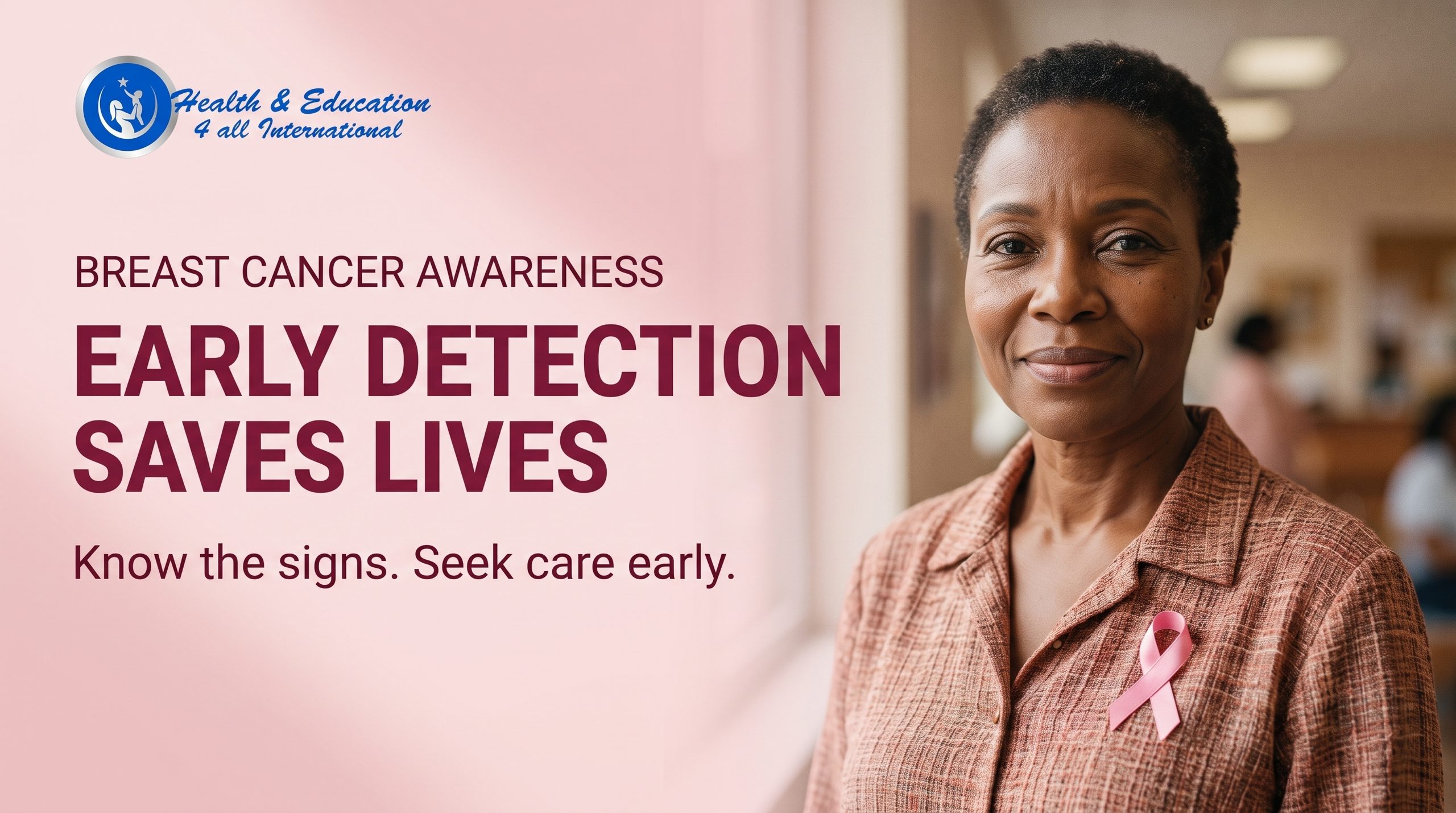
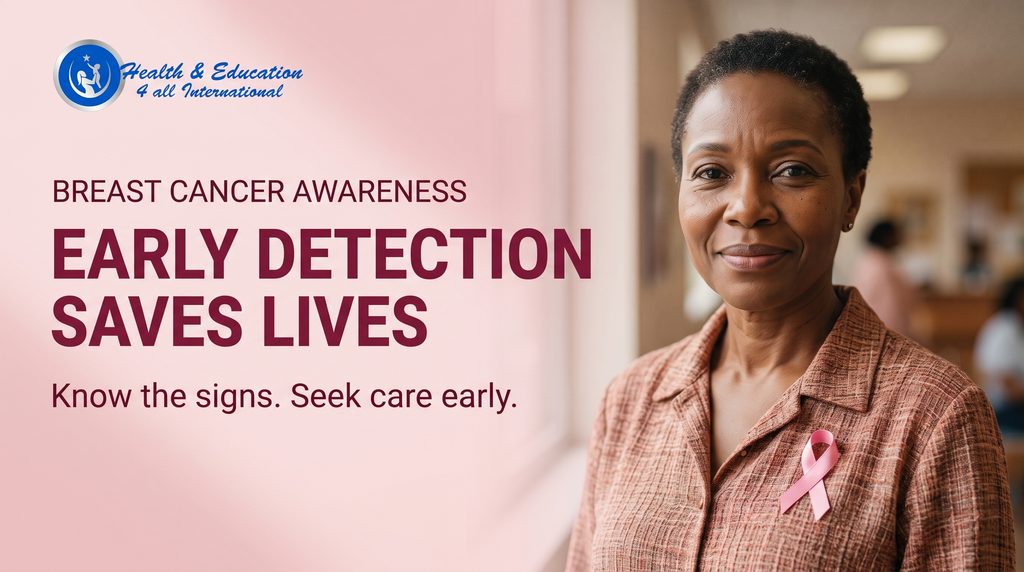
Breast cancer remains one of the most common cancers affecting women worldwide. It is a major public health concern, but greater awareness, timely diagnosis, and access to appropriate treatment can improve outcomes for many people affected by the disease.
According to the World Health Organization (WHO), an estimated 2.4 million women were diagnosed with breast cancer worldwide in 2024, while approximately 694,000 women died from the disease. These figures highlight the importance of strengthening awareness, improving access to healthcare, and encouraging people to seek medical attention when they notice unusual changes. WHO: Breast Cancer
Every October, Breast Cancer Awareness Month provides an opportunity for individuals, healthcare professionals, organisations, and communities to share reliable information and encourage action.
At Health & Education 4 All International, we believe that healthier people build brighter communities. Promoting breast health awareness is an important step towards a future where more people can access the information, diagnosis, and care they need.
What Is Breast Cancer?
Breast cancer develops when abnormal cells in the breast grow uncontrollably and form a tumour. If left untreated, these cancerous cells can spread to other parts of the body.
Although breast cancer predominantly affects women, men can also develop the disease.
Breast cancer can occur at different ages, and many people diagnosed with it have no known family history. While certain factors can increase a person’s risk, anyone who notices an unusual breast change should seek professional medical advice.
Understanding the disease is an important first step towards reducing fear, challenging misconceptions, and encouraging informed health decisions.
Common Warning Signs of Breast Cancer
Recognising possible warning signs can help people seek medical attention sooner. Breast cancer symptoms vary, and some cases may not cause noticeable symptoms in the early stages.
Possible warning signs include:
- A new lump or thickening in the breast or underarm.
- A change in the size, shape, or appearance of a breast.
- Dimpling, puckering, redness, or other unusual changes in the breast skin.
- Changes in the nipple, including a newly inverted nipple.
- Unusual nipple discharge, particularly discharge containing blood.
- Persistent or unexplained changes affecting the breast.
It is important to remember that many breast lumps and changes are caused by conditions other than cancer. However, an unusual change should not be ignored simply because it is painless.
If you notice any of these symptoms, consult a qualified healthcare professional for assessment. Do not wait for the symptoms to worsen before seeking help.
Why Early Detection Is Important
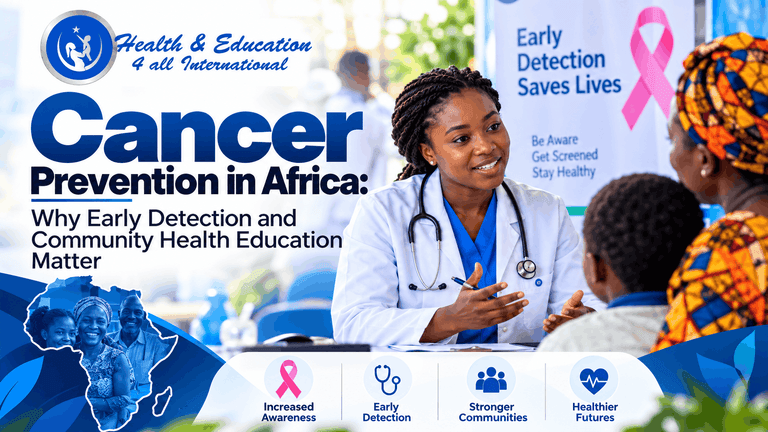
Early detection plays a vital role in improving breast cancer outcomes. When breast cancer is identified before it has spread extensively, treatment may be more effective and the chances of successful management may improve.
Early detection involves two important approaches:
1. Recognising symptoms early
Being familiar with your usual breast appearance and noticing new or unusual changes can help you seek medical advice promptly.
2. Appropriate screening
Screening aims to identify breast cancer before symptoms appear. Mammography is an important screening method, but the appropriate age, frequency, and type of screening depend on individual risk factors and applicable medical guidance.
A healthcare professional can help determine which screening approach is appropriate for you.
In communities where access to specialist services is limited, public education and timely referral from primary healthcare facilities are particularly important. Improving awareness can help reduce delays between noticing symptoms and receiving appropriate care.
Who Is at Risk of Breast Cancer?
Several factors can influence a person’s risk of developing breast cancer. These include:
- Increasing age.
- A personal or family history of breast cancer.
- Certain inherited genetic changes, including BRCA1 and BRCA2 mutations.
- Previous exposure to radiation treatment involving the chest.
- Certain reproductive and hormonal factors.
- Alcohol consumption and obesity, among other recognised risk factors.
Having one or more risk factors does not mean that a person will necessarily develop breast cancer. Equally, the absence of known risk factors does not eliminate the possibility of developing the disease.
The WHO reports that approximately 80% of breast cancers occur in women without specific risk factors other than sex and age.
Understanding your personal risk and discussing concerns with a healthcare professional can help guide appropriate preventive and screening decisions.
Practical Steps to Support Breast Health
Although not every case of breast cancer can be prevented, individuals can take meaningful steps to support their health and improve the chances of identifying concerning changes early.
Know what is normal for your body
Pay attention to the usual appearance and feel of your breasts. Breast self-awareness can help you recognise changes that may need medical attention. It should not replace recommended screening or professional assessment.
Seek medical attention promptly
Do not ignore a new lump, unusual nipple discharge, skin changes, or other persistent breast symptoms. Early professional assessment is important even if you recently had a normal screening result.
Discuss screening with a healthcare professional
Ask about appropriate screening based on your age, personal and family medical history, and individual risk. Follow the recommendations available through your local healthcare system.
Support healthy lifestyle choices
Regular physical activity, maintaining a healthy weight, and limiting alcohol consumption can contribute to reducing certain breast cancer risk factors. These measures do not guarantee prevention, but they can form part of a broader approach to good health.
Share accurate information
Encourage open conversations about breast health. Sharing reliable information can help challenge myths, reduce stigma, and encourage people to seek care when they need it.
The Importance of Community Awareness in Africa
Across many African communities, breast cancer awareness and access to timely diagnosis remain important public health priorities. Barriers such as limited access to diagnostic services, financial difficulties, fear, stigma, and misinformation can delay medical assessment.
Community organisations, healthcare workers, educators, families, and local leaders all have a role to play in addressing these challenges.
Awareness campaigns can help communities understand warning signs, encourage timely medical consultations, and promote access to reliable healthcare information. Stronger referral systems and access to diagnostic and treatment services are equally important.
Breast cancer awareness should extend beyond a single month. Continued education and community engagement can help people make informed decisions about their health throughout the year.
Supporting People Affected by Breast Cancer
A breast cancer diagnosis can affect a person’s physical health, emotional well-being, family life, and financial circumstances.
People receiving treatment and those recovering from the disease deserve compassion, dignity, and support. Families and caregivers can help by listening without judgment, accompanying loved ones to appointments when possible, and offering practical and emotional assistance.
Communities can also help by challenging stigma, sharing accurate information, and encouraging people affected by breast cancer to access appropriate medical and psychosocial support.
Every person’s experience is different. Support should respect individual needs, choices, and circumstances.
How Health & Education 4 All International Is Encouraging Awareness
At Health & Education 4 All International, our commitment to healthier communities includes promoting health education, preventive awareness, and informed health decisions.
Breast Cancer Awareness Month provides an opportunity to encourage conversations about breast health, share trusted information, and remind individuals that seeking medical advice when something feels unusual is an important step.
Through community engagement and health education, we can help make reliable information more accessible and encourage people to take their health seriously.
Together, we can promote awareness, support those affected by breast cancer, and advocate for better access to timely diagnosis and quality care.
Conclusion: Turn Awareness Into Action
Breast cancer awareness is about more than wearing a pink ribbon. It is about recognising warning signs, seeking medical advice promptly, understanding appropriate screening options, and supporting people affected by the disease.
No one should feel ashamed or afraid to ask questions about their breast health. A conversation with a healthcare professional can be an important first step towards getting the right assessment and care.
This October, let us continue to share accurate information, encourage early medical attention, and build communities where people feel supported in taking care of their health.
Know the signs. Seek care early. Support one another.
Together, we can help build healthier people and brighter communities.
About Health & Education 4 All International
Health & Education 4 All International is committed to promoting health awareness, education, and healthier communities.
Website: https://its4allint.org
Email: info@its4allint.org
Phone: +1 704 956 3144
Disclaimer: This article is intended for general educational purposes and does not replace professional medical advice, diagnosis, or treatment. Consult a qualified healthcare professional about symptoms, personal risk, and appropriate screening.
References
- World Health Organization. Breast Cancer.
- World Health Organization. Breast Cancer Awareness Month 2026.
- National Cancer Institute. Signs and Symptoms of Breast Cancer.