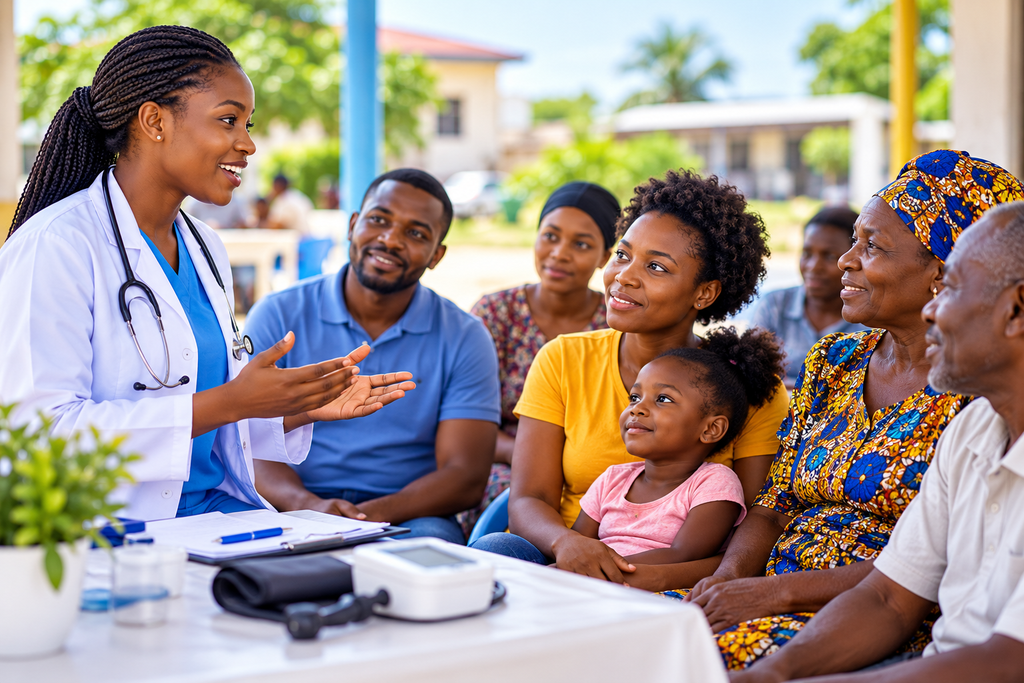
Good health is not only about treating illness when it occurs. It is also about taking practical steps to protect and maintain our health before problems become more serious.
Preventive health focuses on actions that can help individuals understand their health, recognize potential concerns early and make informed decisions about their wellbeing.
For individuals, families and communities, preventive health can include health education, appropriate checkups, healthy daily habits, vaccinations, hygiene, nutrition, physical activity and knowing when to seek professional medical advice.
Here are 10 practical areas that can support a stronger approach to preventive health.
1. Learn About Your Health
Health education is an important part of prevention.
Understanding basic information about your body, common health concerns and available healthcare services can help you make more informed decisions.
People should feel comfortable asking healthcare professionals questions and seeking reliable information when they have concerns about their health.
Health information should come from trustworthy sources rather than relying entirely on social media posts, rumours or unverified advice.
2. Pay Attention to Changes in Your Health
Your body can sometimes provide signs that something has changed.
Unusual or persistent symptoms should not simply be ignored. Depending on the situation, speaking with a qualified healthcare professional can help determine whether further evaluation is appropriate.
Early attention can be especially important when a health concern requires professional assessment.
3. Keep Up With Appropriate Health Checkups
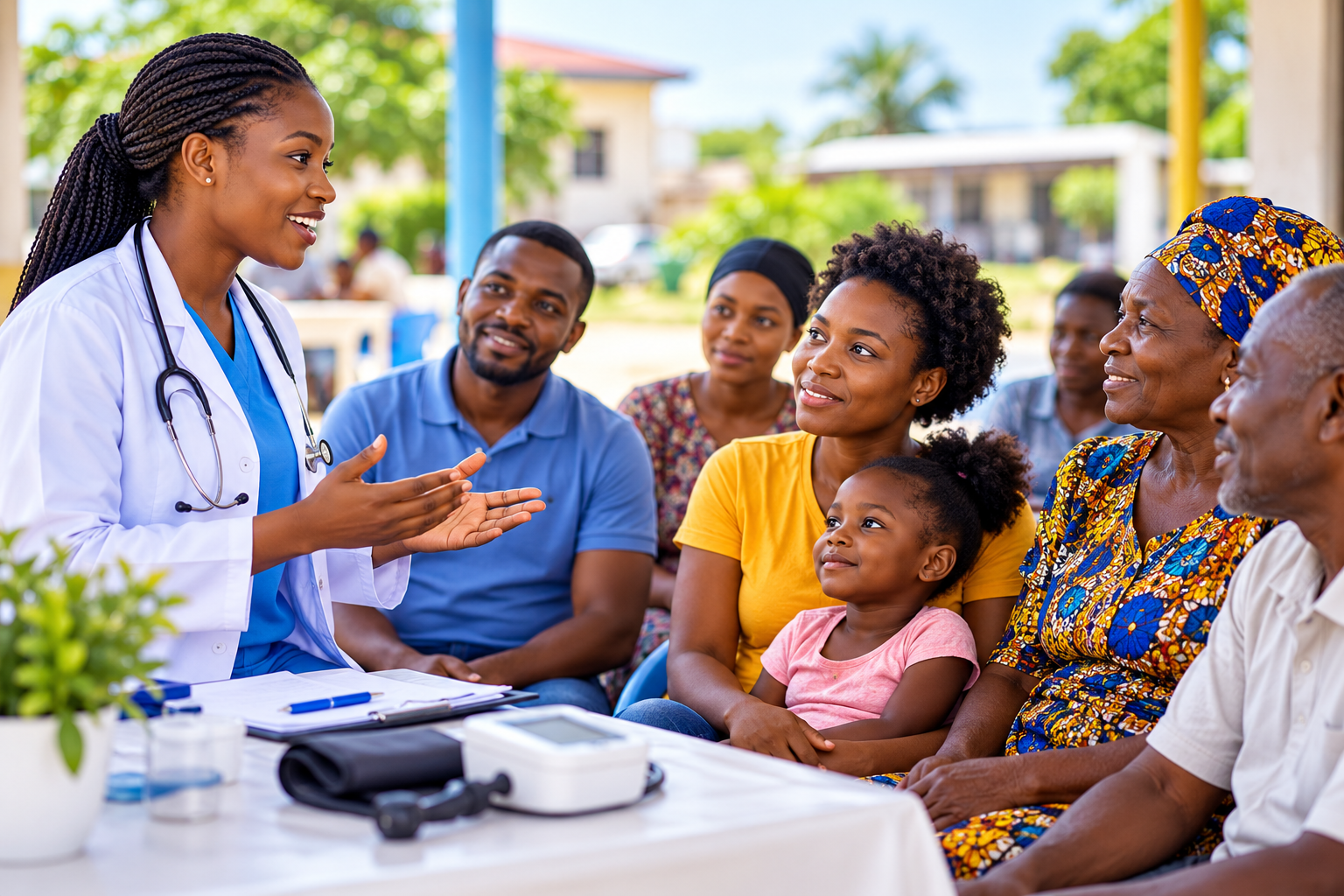
Regular health checkups can help people and healthcare professionals understand important aspects of a person’s health.
The appropriate checkups depend on factors such as age, medical history, family history and individual circumstances.
A healthcare professional can provide guidance about which screenings or examinations may be appropriate.
4. Make Healthy Food Choices
Nutrition plays an important role in overall wellbeing.
A balanced diet can include a variety of foods such as vegetables, fruits, whole grains, legumes and appropriate sources of protein.
Healthy eating does not have to mean following complicated diets.
For many families, practical improvements can begin with understanding nutrition and making balanced choices that are realistic for their circumstances.
5. Stay Physically Active
Regular physical activity can support overall health and wellbeing.
The appropriate type and amount of activity can vary depending on a person’s age, abilities and health circumstances.
Walking, recreational activities, sports and other forms of movement can be incorporated into daily life where appropriate.
People with health conditions or specific concerns should speak with a healthcare professional about suitable activities.
6. Practice Good Hygiene
Simple hygiene practices remain an important part of protecting individual and community health.
These can include:
- Washing hands regularly
- Keeping food preparation areas clean
- Handling food safely
- Maintaining clean living spaces
- Practicing good respiratory hygiene
- Following appropriate public health guidance
Good hygiene is particularly important in homes, schools, workplaces and community environments.
7. Understand the Importance of Vaccination
Vaccination is an important component of preventive healthcare.
Vaccines can help protect individuals and communities against certain infectious diseases.
Because vaccination recommendations can depend on age, location and individual circumstances, people should consult qualified healthcare professionals and trusted public health authorities for appropriate guidance.
8. Take Mental and Emotional Wellbeing Seriously
Health includes more than physical wellbeing.
Stress, emotional difficulties and other mental health concerns can affect everyday life.
People experiencing persistent emotional or psychological difficulties should consider speaking with a qualified healthcare professional or an appropriate support service.
Creating supportive communities can also help people feel less isolated when facing difficult circumstances.
9. Know When to Seek Professional Help
Preventive health does not mean trying to diagnose or treat every health concern yourself.
When something does not seem right, a qualified healthcare professional can help determine what steps may be appropriate.
People should seek urgent medical attention when they experience symptoms that could represent a medical emergency.
Knowing where to access healthcare services in your community can also help you respond more effectively when a health concern arises.
10. Share Reliable Health Information
Health education becomes more powerful when reliable information is shared within communities.
Families can discuss healthy habits. Community organizations can organize educational activities. Healthcare professionals can provide guidance and answer questions.
Sharing accurate information can help people make better-informed health decisions.
However, health information should always be checked against reliable medical and public health sources before being shared widely.
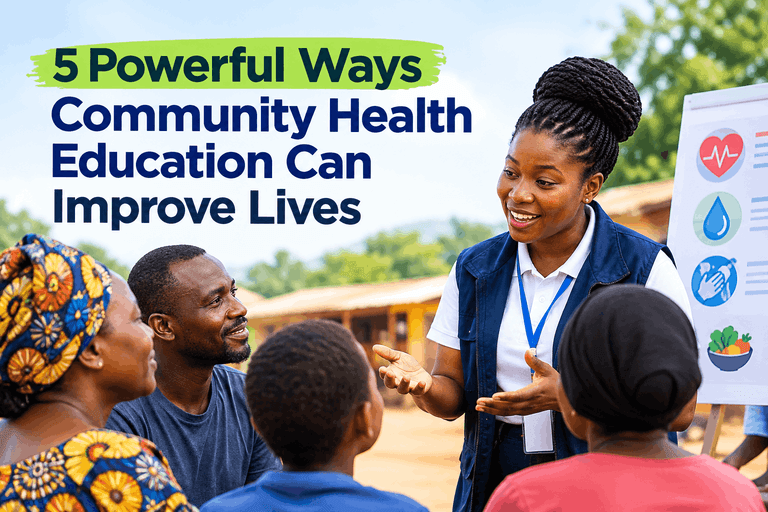
Why Preventive Health Matters in Communities
Preventive health is not only an individual responsibility.
Communities also play an important role in creating environments where people can access reliable health information and appropriate support.
Community health programs can provide opportunities for:
- Health education
- Wellness discussions
- Health screenings
- Community outreach
- Referrals to healthcare services
- Support for underserved populations
- Health awareness campaigns
These activities can help bring health information closer to the people who need it.
Health Education Can Make a Difference
Access to reliable health information can help individuals understand when to seek professional care, how to reduce certain health risks and where to find appropriate support.
Organizations working in health and community development can contribute by creating educational programs that are understandable, accessible and relevant to the communities they serve.
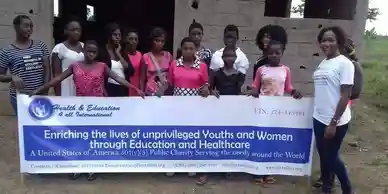
At Health & Education 4 All International, our work is centered on improving access to health education and supporting healthier communities.
Building Healthier Communities Together
A healthier community begins with informed individuals, supportive families and access to appropriate resources.
Preventive health is not about trying to prevent every illness or replacing professional medical care. It is about encouraging people to take reasonable steps toward protecting their health, learning about available resources and seeking appropriate care when needed.
Small actions, combined with reliable information and community support, can contribute to a stronger culture of health and wellbeing.
Frequently Asked Questions
What is preventive health?
Preventive health refers to actions taken to protect and maintain health and to identify certain health concerns early. It can include health education, appropriate screenings, vaccinations, healthy habits and professional healthcare.
Why is preventive health important?
Preventive health can help people become more informed about their health and encourage appropriate steps to reduce health risks and identify concerns that may require professional attention.
What are examples of preventive health?
Examples include maintaining healthy habits, following recommended vaccination schedules, attending appropriate health checkups, practicing good hygiene and seeking professional advice when health concerns arise.
How can communities promote preventive health?
Communities can promote preventive health through health education, outreach programs, awareness campaigns, wellness activities and improved access to reliable health information and healthcare resources.
Where can I find reliable health information?
Reliable information can come from qualified healthcare professionals, government health agencies, recognized medical organizations and established public health institutions.
A Healthier Future Starts With Knowledge
Health education is one of the tools communities can use to support informed decisions and healthier lives.
By learning, asking questions, sharing reliable information and seeking appropriate professional care, individuals and families can take meaningful steps toward protecting their wellbeing.
Health & Education 4 All International is committed to supporting health education and community-focused initiatives that help make reliable health information more accessible.
Learn more about our mission and programs:
https://its4allint.org/
Follow our facebook page for more updates: Royal Property Group