
Education systems around the world are facing a challenge that affects far more than classrooms: there are not enough teachers to meet the growing need for quality education.
On World Teachers’ Day 2026, UNESCO reported that the world has about 107 million teachers but will need 50 million more by 2030 to ensure universal access to pre-primary, primary and secondary education. UNESCO says this is one additional teacher for every two currently working.
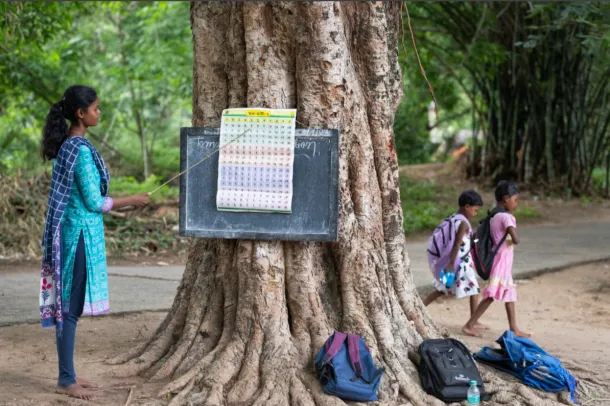
A Global Challenge With Local Consequences
Teacher shortages are not simply a staffing problem. When there are too few qualified educators, classrooms can become overcrowded, individual learners receive less attention, and schools may struggle to provide consistent learning opportunities.
UNESCO estimates that 44 million additional teachers are needed for universal primary and secondary education, alongside another 6 million for pre-primary education. The organization also highlights teacher attrition, workload, working conditions and compensation as major factors shaping the profession.
Supporting Teachers Means Supporting Learners
A strong education system is built around people. Teachers need professional development, supportive working environments, meaningful career pathways and fair compensation. UNESCO also recommends involving teachers in policy decisions, improving school safety and reducing unnecessary workloads.
For communities, supporting teachers can mean creating partnerships with schools, encouraging mentorship, supporting learning resources, recognizing educators and helping young people see education as a pathway to opportunity.
Education and Health Are Connected
Education and health reinforce each other. Learners who have access to reliable education are better positioned to understand health information, make informed decisions and participate positively in their communities. Healthy learning environments also help children and young people stay engaged in school.
This connection matters for organizations working across education, health awareness and community development. Investing in one area can strengthen outcomes in the others.
What Can Communities Do?
- Support educators: Encourage teachers and recognize the value of their work.
- Strengthen learning opportunities: Support mentorship, educational resources and skills development.
- Build partnerships: Connect schools, community groups, health professionals and organizations around practical needs.
- Promote lifelong learning: Give children, youth and adults opportunities to build knowledge and useful skills.
The Opportunity Ahead
The global teacher shortage is a serious challenge, but it is also a call to action. Communities, governments, schools, nonprofits and partners all have a role to play in making education more accessible, supportive and effective.
At Health & Education 4 All International, we believe lasting community development requires attention to both education and wellbeing. Supporting learners, strengthening communities, promoting health awareness and creating opportunities for growth are all part of building a healthier and more empowered future.
A Call to Stand With Education
The future of education depends not only on how many teachers we have, but on whether teachers and learners have the support they need to thrive.
Learn. Support. Participate. Make a difference.
Source: UNESCO, “New UNESCO data: For every two teachers, the world needs one more,” published October 5, 2026.